Kyoto's Rainy Season Cedar Sanctuaries
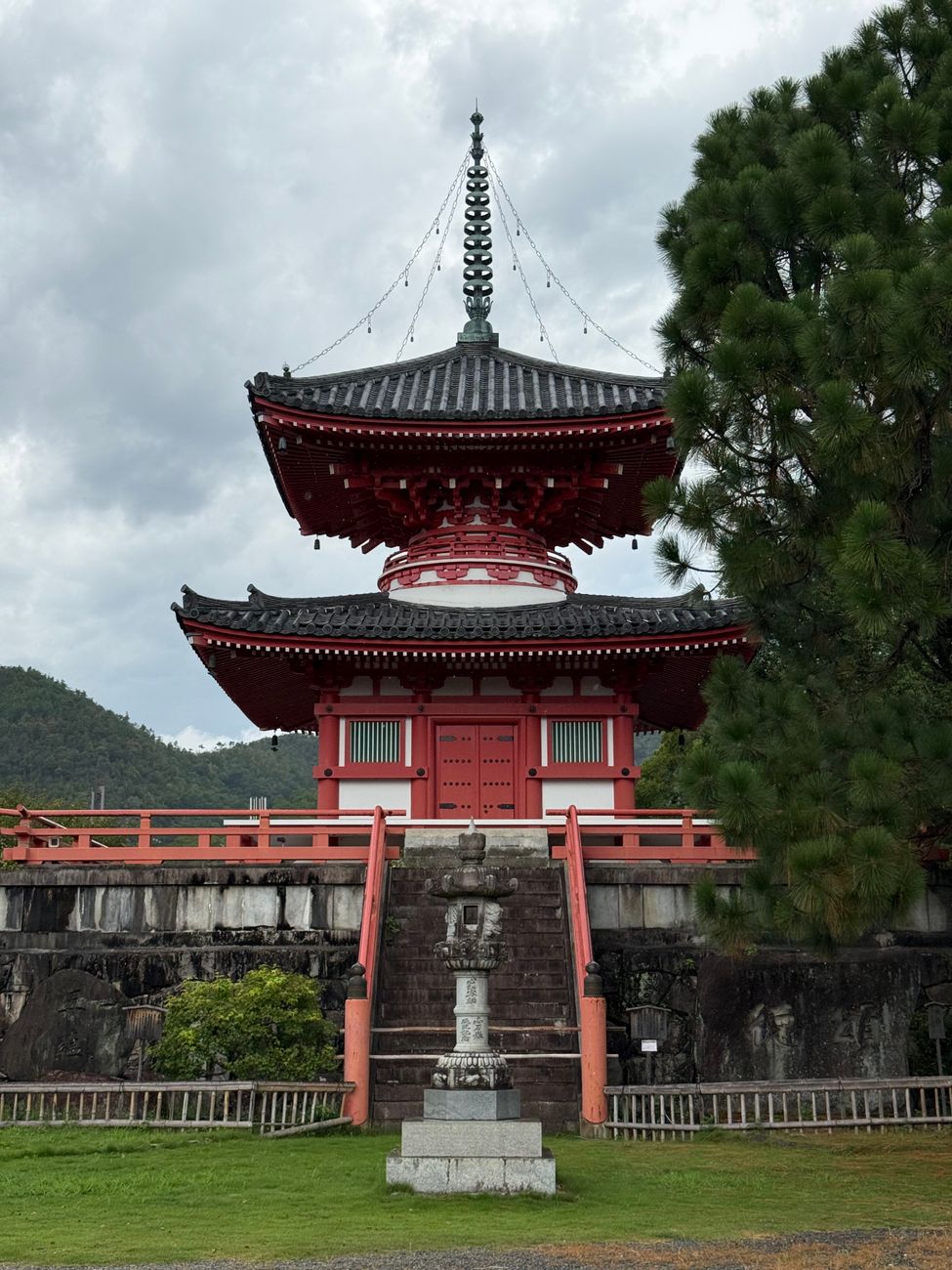
Essence & Coordinates
- • Geography: Northern Kitayama mountain valleys, Japan
- • Sensory Palette: Damp cedar wood, sencha vapor, charcoal brazier
- • Aesthetic Focus: Sukiya-zukuri carpentry and moss gardens
Most guidebooks caution foreign travelers against visiting western Japan during the damp, overcast weeks of the monsoon transition. In doing so, they miss precisely what Kyoto masters have prized for over seven centuries: the subtle sheen of soaked river stones, the emerald luminescence of moss, and the profound acoustic warmth of tatami mats during steady rainfall.
In the northern hills of Kitayama, generations of foresters cultivate straight cryptomeria trees using centuries-old coppicing techniques. The timber produced here is extraordinarily dense, knot-free, and fragrant. When used as structural posts in rural teahouses, the timber breathes alongside the surrounding bamboo groves.
"Rain in Kyoto is not weather to flee from; it is an architectural acoustic veil that turns every courtyard into a private contemplation chamber."
The Ritual of Stillness
Sitting on the polished cedar engawa of an unlisted sub-temple, watching raindrops gather on the tips of pine needles before falling onto gravel patterns, the mind naturally slows its frantic pulse. A bowl of freshly whisked matcha, slightly bitter, paired with sweet red bean paste shaped like a seasonal leaf, completes the sensory rhythm of the afternoon.
Traveling in this manner requires abandoning the compulsion to visit five temples before luncheon. One single garden, observed across four hours of fluctuating sunlight and shifting drizzle, yields deeper memory than a dozen rushed gallery corridors.