The Silent Limestone of the Dolomites
Essence & Coordinates
- • Geography: Val di Zoldo & Tre Cime high passes, Italy
- • Elevation: 2,450 meters above sea level
- • Optimal Season: Late September to late October
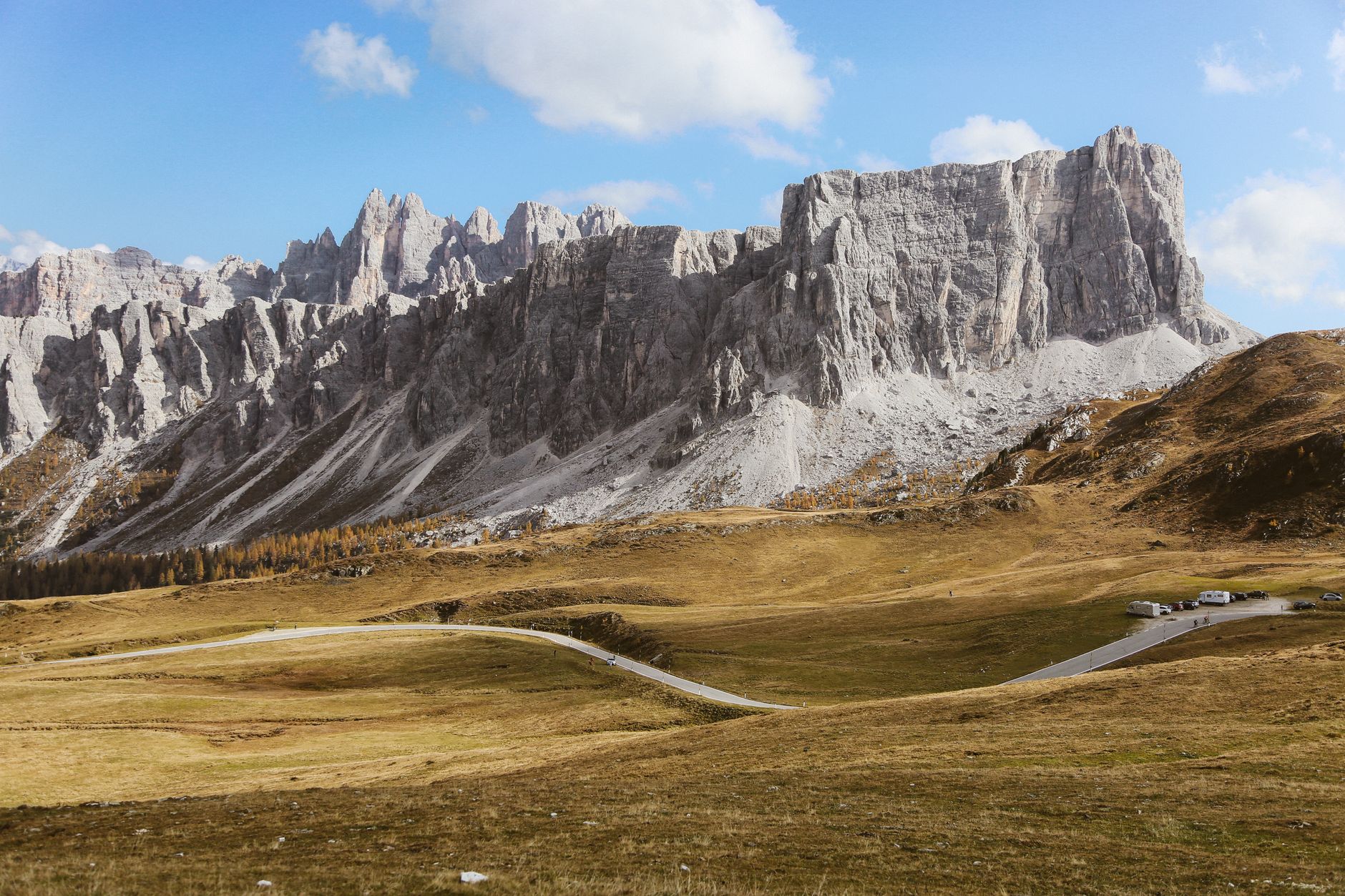
When the cable car operations shut their turnstiles for the late autumn interlude, an unfamiliar quiet descends upon the vertical faces of the pale mountains. The thousands of day-trippers seeking panoramic selfies evaporate overnight, leaving behind raw scree slopes, ancient larches turning from bright gold into ochre, and trails guarded only by solitary jackdaws.
We arrived at the trailhead before first light. The air tasted of ice crystals and pine pitch. Ascending through the upper boundary of the dwarf mountain pines, the crags of dolomite stone loomed like immense cathedral naves eroded by millennia of rain and freeze-thaw cycles. Here, architecture belongs entirely to nature.
"To walk these ridges alone is to realize that silence is not merely an absence of noise, but a substantive presence that restores one's sensory equilibrium."
The Geometry of Mountain Refuges
In mid-October, only a handful of traditional rifugi maintain unstaffed winter quarters — small rooms furnished with bunk beds, heavy wool blankets, and cast-iron stoves. Cooking polenta over chopped larch wood while listening to the wind sweep across the rocky gullies remains one of the simplest and most profound travel experiences on the European continent.
The geology here speaks through color: limestone that transforms from dusty grey at midday into brilliant rose and fiery terracotta during the phenomenon known locally as Enrosadira. To watch this chromatic shift from a wooden bench with no other human within five miles is the singular reason 111111 exists.